

Quick Answer: What Medical پلی آمید Tubing Is Used For
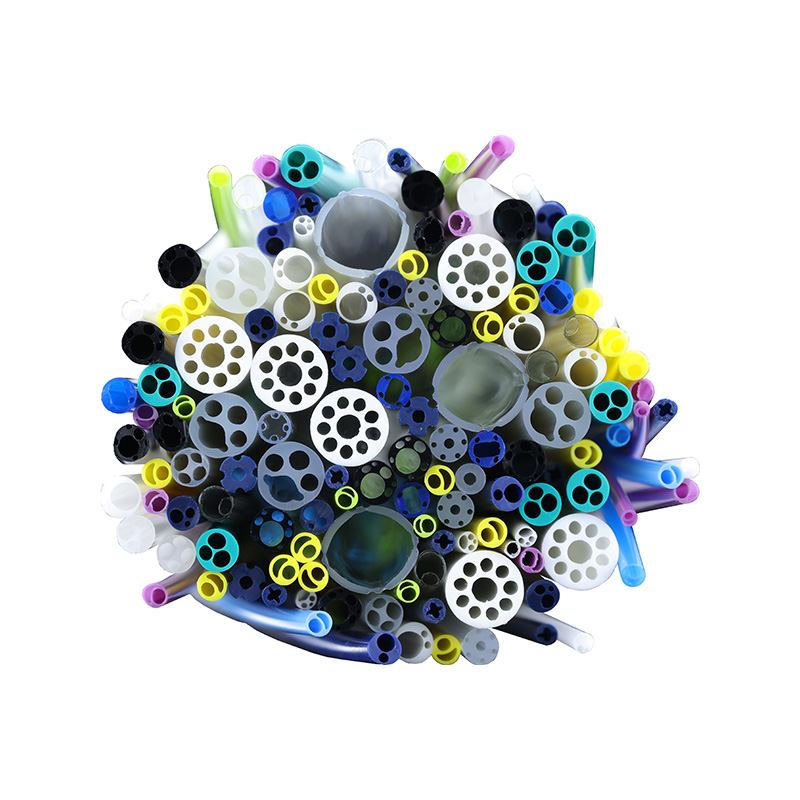
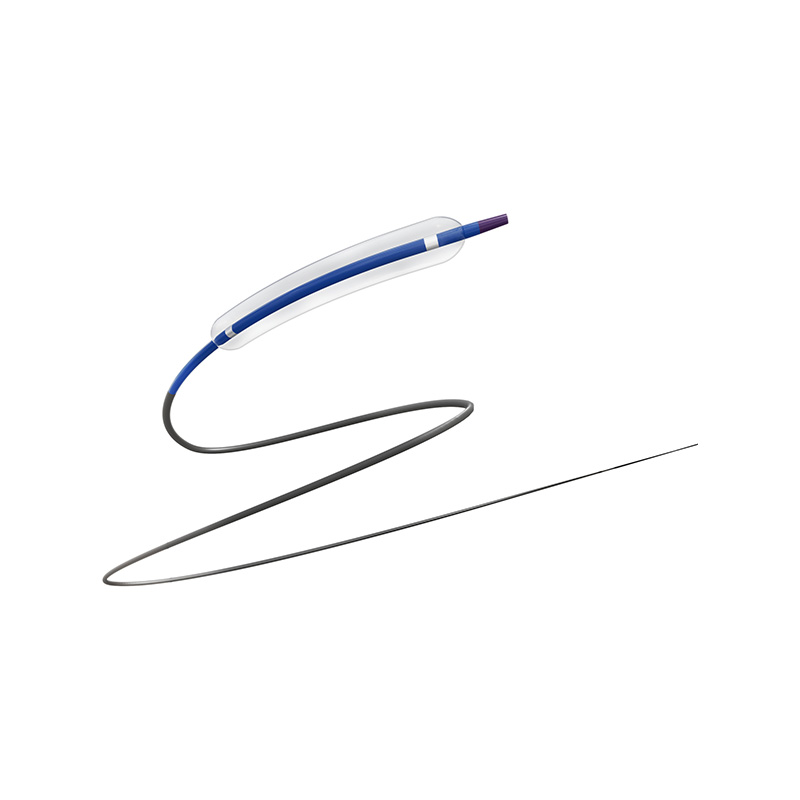
Medical polyimide tubing is a thin-wall polymer tube used inside catheters, microcatheters, and other minimally invasive devices where high tensile strength, chemical resistance, and dimensional precision are required within a very small diameter. معمولاً برای شفتهای میکروکاتتر، لاینرهای سیم راهنما و اجزای سیستم تحویل مشخص میشود، زیرا میتوان آن را با قطر داخلی به کوچکی 0.10 میلیمتر اکسترود کرد در حالی که هنوز تحملهای محکمی را تحت خمش مکرر حفظ میکند.
This guide covers the material properties, manufacturing considerations, and application data behind medical polyimide tubing ، با مقایسه های بصری برای کمک به مهندسان دستگاه و تیم های منبع یابی پلی آمید را در برابر سایر مواد لوله معمولی مانند PTFE و آسترهای مبتنی بر نایلون ارزیابی می کنند.
What Is Medical Polyimide Tubing?
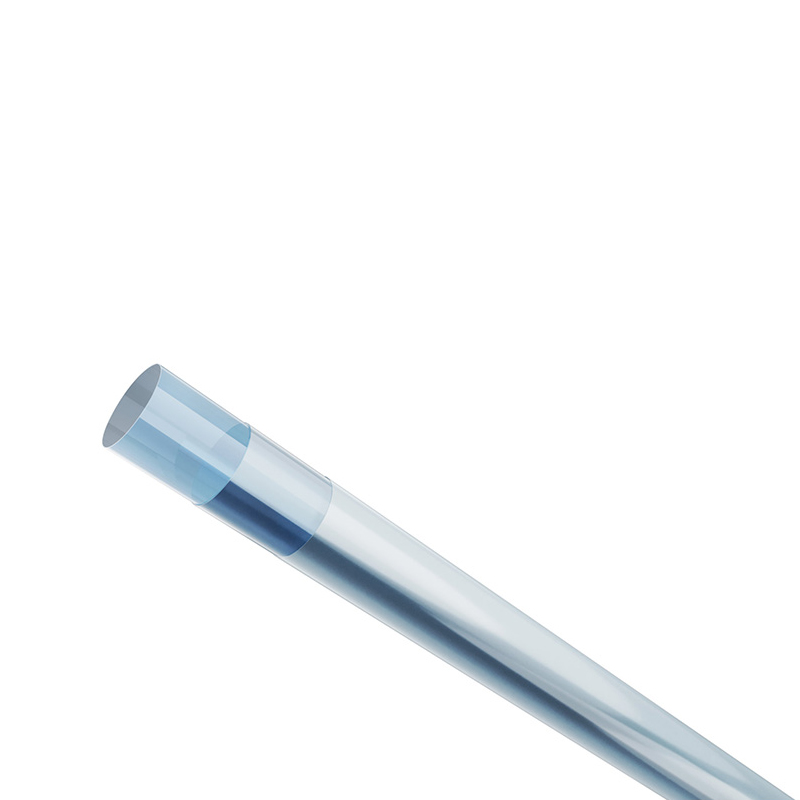
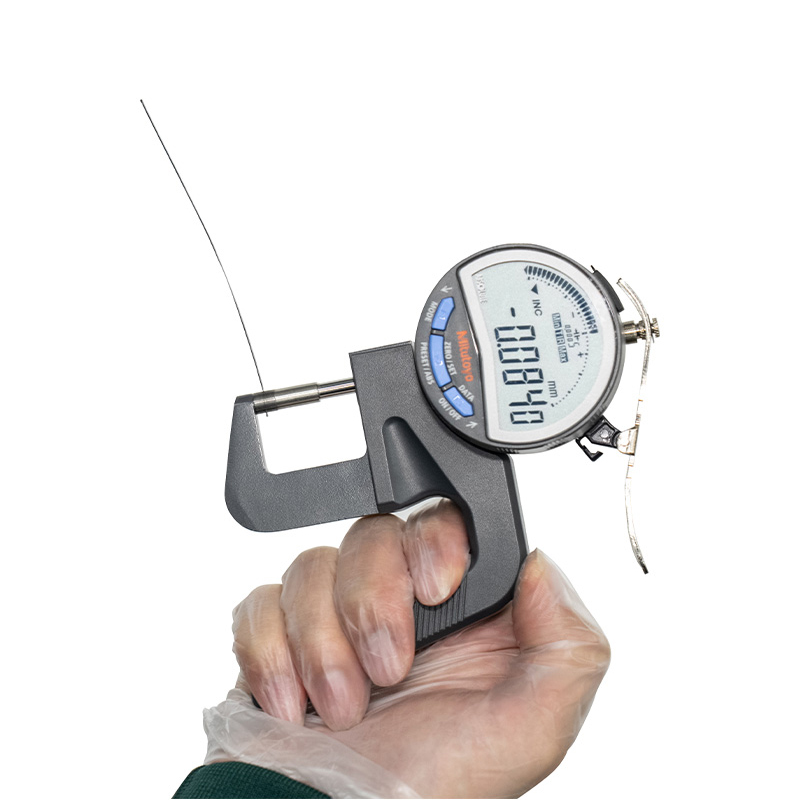
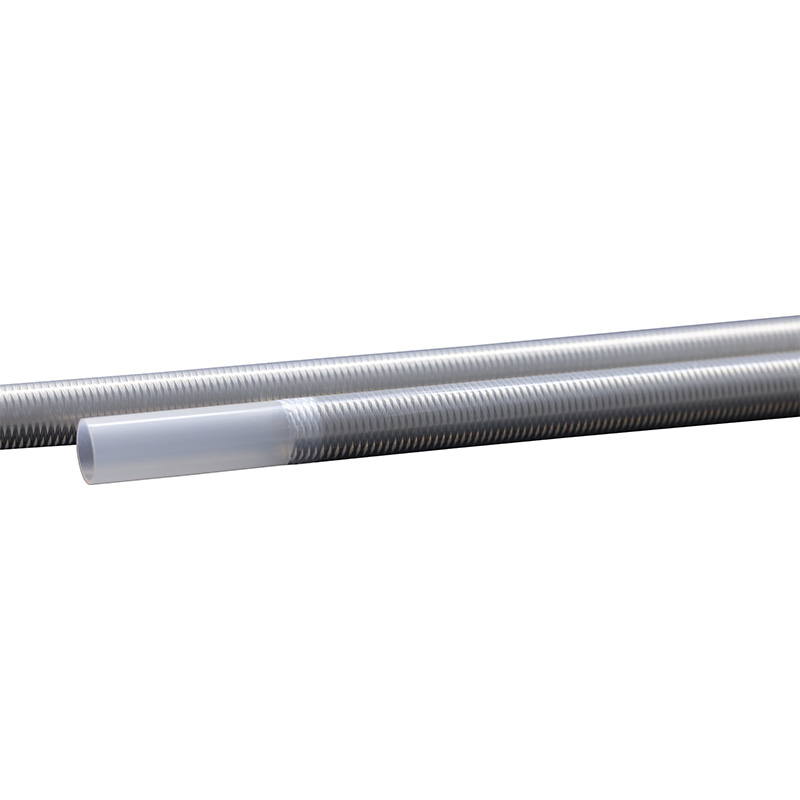
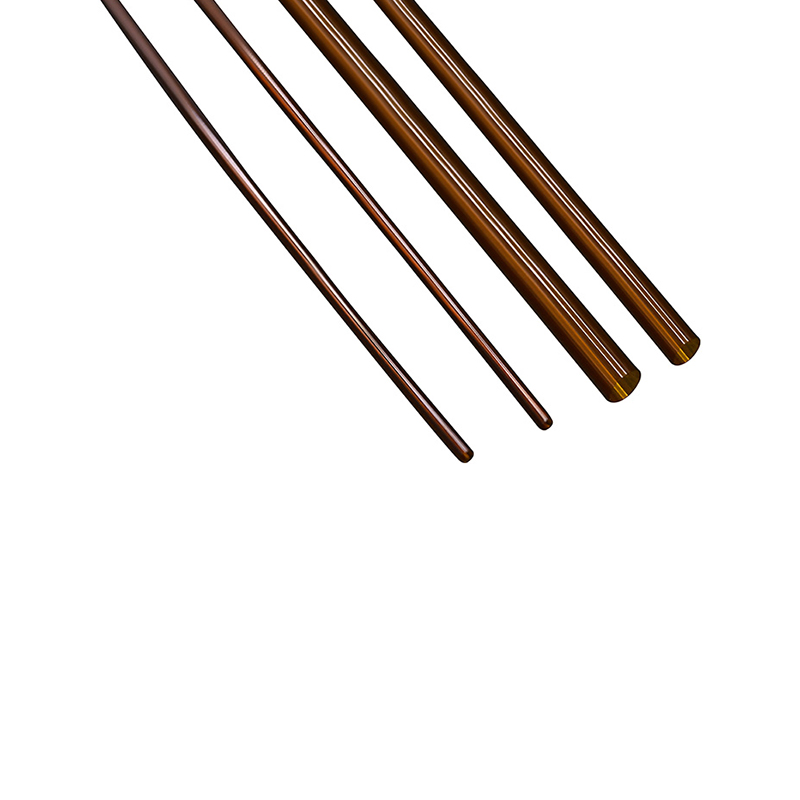
لوله پلیآمید LINSTANT (لوله PI) با اعمال رزین پلیآمید مایع در لایههای پوشش متوالی بر روی یک سنبه قابل جابجایی تولید میشود و سپس هر لایه را در دمای بالا تا زمانی که ضخامت دیواره مورد نظر به دست میآید پخت میشود. This coating-based process, rather than traditional extrusion alone, is what allows polyimide tubing to reach ultra thin wall thicknesses while still maintaining structural integrity at very small diameters, which is difficult to achieve with many other polymer tubing materials.
Core Material Characteristics
- High tensile strength relative to wall thickness, supporting pushability in catheter shafts
- Strong dimensional stability across repeated flexing and torque cycles
- Chemical resistance to most solvents and sterilization processes used in device assembly
- High temperature tolerance, supporting long-term operation above 350°C and short-term exposure up to 450°C
- Good biocompatibility for applications with internal patient contact
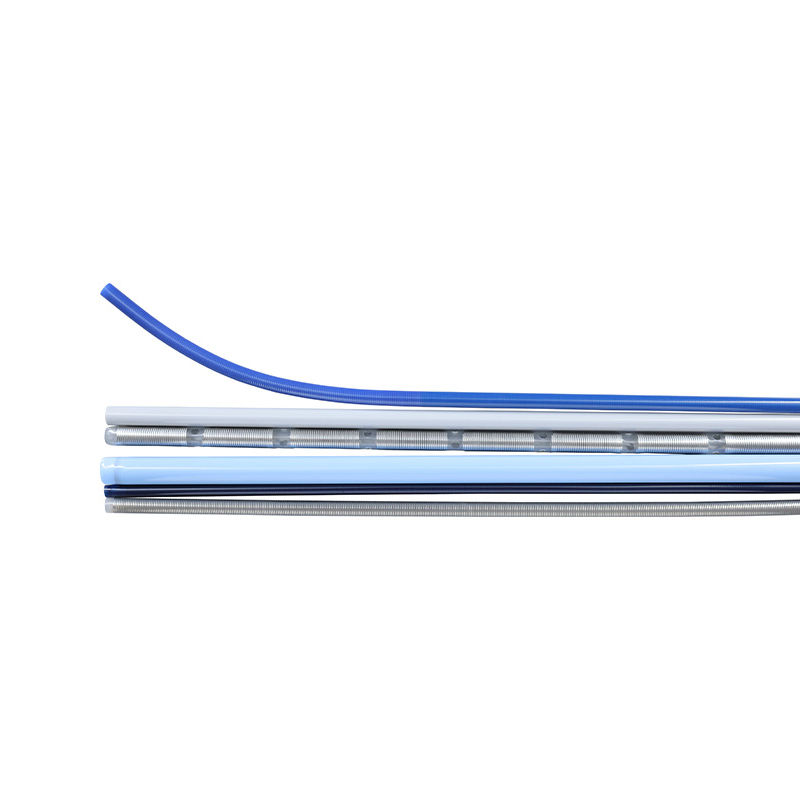
به دلیل این ترکیب از استحکام و دقت، لوله پلیآمید به طور گستردهای به عنوان لایه ساختاری بیرونی یا میانی در ساختارهای لولههای کاتتر چند لایه مشخص میشود، که اغلب با یک ماده داخلی روانکننده جفت میشود.
Why Polyimide Is Used in Catheter and Microcatheter Construction
Catheter and microcatheter tubing must balance three competing needs: a small enough profile to navigate narrow vasculature, enough column strength to be pushed through the body without kinking, and enough flexibility to track through curved anatomy. Polyimide tubing addresses this balance better than many alternative materials at very small diameters, which is why it is a common choice for microcatheter tubing construction.
As illustrated above, polyimide's tensile strength is substantially higher than PTFE, nylon, or Pebax at comparable wall thickness, which allows device engineers to reduce wall thickness while still meeting structural requirements. This is particularly valuable in microcatheter tubing, where every fraction of a millimeter of wall thickness directly affects the achievable inner lumen diameter and overall device profile.
Is Polyimide Better Than PTFE? مقایسه کنار هم
Polyimide and PTFE are often used together rather than as direct substitutes, since each material contributes different performance characteristics to a finished catheter tubing assembly. The radar chart below compares both materials, plus a PI/PTFE composite construction, across five performance criteria on a relative 1-10 scale.
Polyimide clearly leads in tensile strength, thin-wall capability, and structural rigidity, which is why it is frequently used as the outer structural layer of a catheter shaft. PTFE, in contrast, scores highest on lubricity, making it the preferred material for the inner lumen surface where guidewires and other devices need to slide with minimal friction. الف PI/PTFE composite construction combines both strengths, using the PI layer to prevent deformation and support pushability while the PTFE layer keeps the inner wall smooth, which is why composite constructions are common in high-performance catheter tubing designs.
Standard Dimensions and Wall Thickness Reference
از آنجایی که لوله پلی آمید به جای اکستروژن مستقیم به تنهایی از طریق فرآیند پوشش لایه ای ساخته می شود، ضخامت دیواره را می توان با دقت بالایی کنترل کرد. The table below outlines typical dimensional ranges referenced during early-stage device design.
| برنامه | Typical Inner Diameter | ضخامت دیوار معمولی | Common Construction |
|---|---|---|---|
| Microcatheter shaft | 0.10mm - 0.60mm | 0.006mm - 0.015mm | PI تک لایه |
| Guidewire liner | 0.15mm - 0.80mm | 0.008mm - 0.020mm | PI/PTFE composite |
| Delivery system sheath | 0.50mm - 2.00mm | 0.02 میلی متر - 0.05 میلی متر | Multi-layer PI |
| Introducer / access tubing | 1.00mm - 5.00 میلی متر | 0.03mm - 0.08mm | PI تقویت شده |
While the standard inner diameter range for most polyimide tubing applications falls between 0.10mm and 2mm , mass production capability has expanded in recent years to support inner diameters up to 5.00mm for larger delivery system and access tubing components.
دما و عملکرد مقاومت شیمیایی
Temperature resistance is a key differentiator for polyimide tubing, particularly during device manufacturing steps such as reflow bonding, laser processing, or sterilization cycles that involve elevated temperatures. The line chart below shows relative mechanical stability of polyimide tubing across a rising temperature range compared with a standard nylon-based tubing material.
Polyimide tubing retains a high percentage of its mechanical stability even as temperatures climb toward 300°C and beyond, supporting a long-term operating temperature above 350°C and short-term exposure up to 450°C. Nylon-based tubing, by comparison, begins losing structural stability well before reaching these temperatures, which limits its suitability for manufacturing processes that involve heat-based bonding or high-temperature sterilization steps.
Biocompatibility and Sterilization Considerations
For any component with direct or indirect patient contact, biocompatibility testing and sterilization compatibility are baseline requirements. Polyimide tubing intended for medical device use is generally evaluated against recognized biological evaluation frameworks referenced in ISO 10993 , the international standard for biological evaluation of medical devices, which covers cytotoxicity, sensitization, and irritation testing relevant to catheter and microcatheter components (International Organization for Standardization, ISO 10993).
Sterilization Compatibility
Polyimide tubing generally maintains dimensional and mechanical stability across common sterilization methods used in medical device manufacturing, including ethylene oxide (EtO), gamma irradiation, and steam autoclave processes, due to its high temperature resistance and chemical stability. This broad compatibility is one reason polyimide is frequently selected for components that must remain dimensionally consistent after terminal sterilization.
- Ethylene oxide (EtO) sterilization: commonly used for finished catheter assemblies
- Gamma irradiation: suitable given polyimide's chemical and radiation stability
- Steam autoclave: supported by polyimide's high-temperature performance range
Where Medical Polyimide Tubing Is Applied
Polyimide tubing is specified across a range of minimally invasive device categories. The table below summarizes common application areas and the primary reason polyimide is selected for each.
| Device Category | Primary Requirement | Preferred Construction |
|---|---|---|
| Neurovascular microcatheters | مشخصات بسیار کوچک، قابلیت فشار بالا | PI تک لایه |
| سیم های راهنما | Low friction, torque transmission | PI/PTFE composite |
| سیستم های تحویل قلبی | Kink resistance, dimensional stability | Multi-layer PI |
| کانال های ابزار آندوسکوپی | Chemical resistance, thin wall | PI پوشش داده شده |
| Diagnostic access sheaths | Consistent lumen, sterilization stability | PI تقویت شده |
Across nearly all of these categories, the underlying requirement is consistent: engineers need a tubing material that holds a precise, repeatable lumen dimension after sterilization while withstanding the mechanical stresses of navigation through the vasculature, which is the core strength profile of medical grade polyimide tubing.
Custom Polyimide Tubing: What Device Engineers Can Specify
Custom medical tubing OEM projects typically involve adjusting several parameters beyond basic inner and outer diameter. A proprietary PI resin formulation approach allows manufacturers to tune modulus, tensile strength, elongation, and color to match a specific device requirement.
Commonly Customized Parameters
- Modulus and elongation tuning to balance flexibility with pushability for a specific catheter design
- Wall thickness reduction through a multi-pass coating process for ultra thin wall polyimide tubing
- Color coding for multi-lumen or multi-component device assemblies
- Adhesion enhancement, allowing direct bonding to materials such as Nylon and TPU without additional surface treatment
- Composite layering with PTFE for applications requiring both strength and inner-wall lubricity
Direct bonding capability without surface treatment is a practical advantage during device assembly, since it reduces the number of processing steps needed to join polyimide tubing to adjacent components in a multi-material catheter build.
Working With a Medical Tubing Manufacturer: What to Verify
Device manufacturers sourcing polyimide tubing components should confirm a supplier's process control, quality documentation, and application-specific experience before finalizing a project. A few key verification points can help reduce qualification risk during device development.
- Confirmation of ISO certification and a documented quality management system for medical tubing production
- In-house extrusion, coating, and post-processing capability rather than outsourced sub-steps
- Experience producing precision extruded polyimide tubing at the specific diameter range required
- Support for OEM and ODM development workflows, including sample iteration before full production
- Documented sterile tubing handling procedures for cleanroom or controlled-environment production
Ningbo Linstant Polymer Materials Co., Ltd. has operated since 2014 as an OEM and ODM medical tubing manufacturer, now employing over 400 کارمند and specializing in extrusion processing, coating, and post-processing technologies for medical polymer tubing. The company's proprietary PI resin approach allows customization of modulus, strength, elongation, and color for polyimide tubing, and its coating process supports thinner wall thicknesses while its polyimide tubing offers direct bonding compatibility with materials such as Nylon and TPU without surface treatment. Beyond the standard 0.10mm to 2mm inner diameter range, the company is capable of mass-producing polyimide tubing with inner diameters up to 5.00mm , and its tubing is engineered for long-term operating temperatures above 350°C with short-term resistance up to 450°C, alongside good biocompatibility for medical device applications.
سوالات متداول
| Q1: لوله پلی آمید پزشکی چیست؟ Medical polyimide tubing is a high-strength, thin-wall polymer tube produced by a layered coating process, commonly used in catheter and microcatheter shafts and other minimally invasive device components. | Q2: Why use polyimide in catheters? Polyimide provides high tensile strength and dimensional stability at very thin wall thicknesses, helping catheter shafts maintain pushability and kink resistance within a small profile. |
| Q3: آیا پلی آمید بهتر از PTFE است؟ Polyimide and PTFE serve different roles: polyimide offers higher strength and thin-wall capability, while PTFE offers superior lubricity, which is why the two are often combined in composite tubing. | Q4: لوله میکروکاتتر از چه چیزی ساخته شده است؟ Microcatheter tubing is commonly made from polyimide, either as a single layer or as part of a PI/PTFE composite construction, to achieve small diameters with sufficient strength. |
| Q5: آیا می توان لوله پلی آمید را استریل کرد؟ Yes, polyimide tubing generally maintains dimensional stability across common sterilization methods including ethylene oxide, gamma irradiation, and steam autoclave processes. | Q6: آیا پلی آمید زیست سازگار است؟ Medical grade polyimide tubing is generally evaluated against ISO 10993 biological evaluation criteria and exhibits good biocompatibility for devices with patient contact. |
| Q7: لوله پلی آمید برای چه چیزی استفاده می شود؟ It is used in microcatheters, guidewire liners, cardiac and neurovascular delivery systems, endoscopic instrument channels, and other applications requiring a strong, thin-wall lumen. | Q8: لوله های پلی آمید در چه اندازه هایی هستند؟ Standard inner diameters typically range from 0.10mm to 2mm, with mass-production capability extending up to 5.00mm for larger delivery system and access tubing components. |